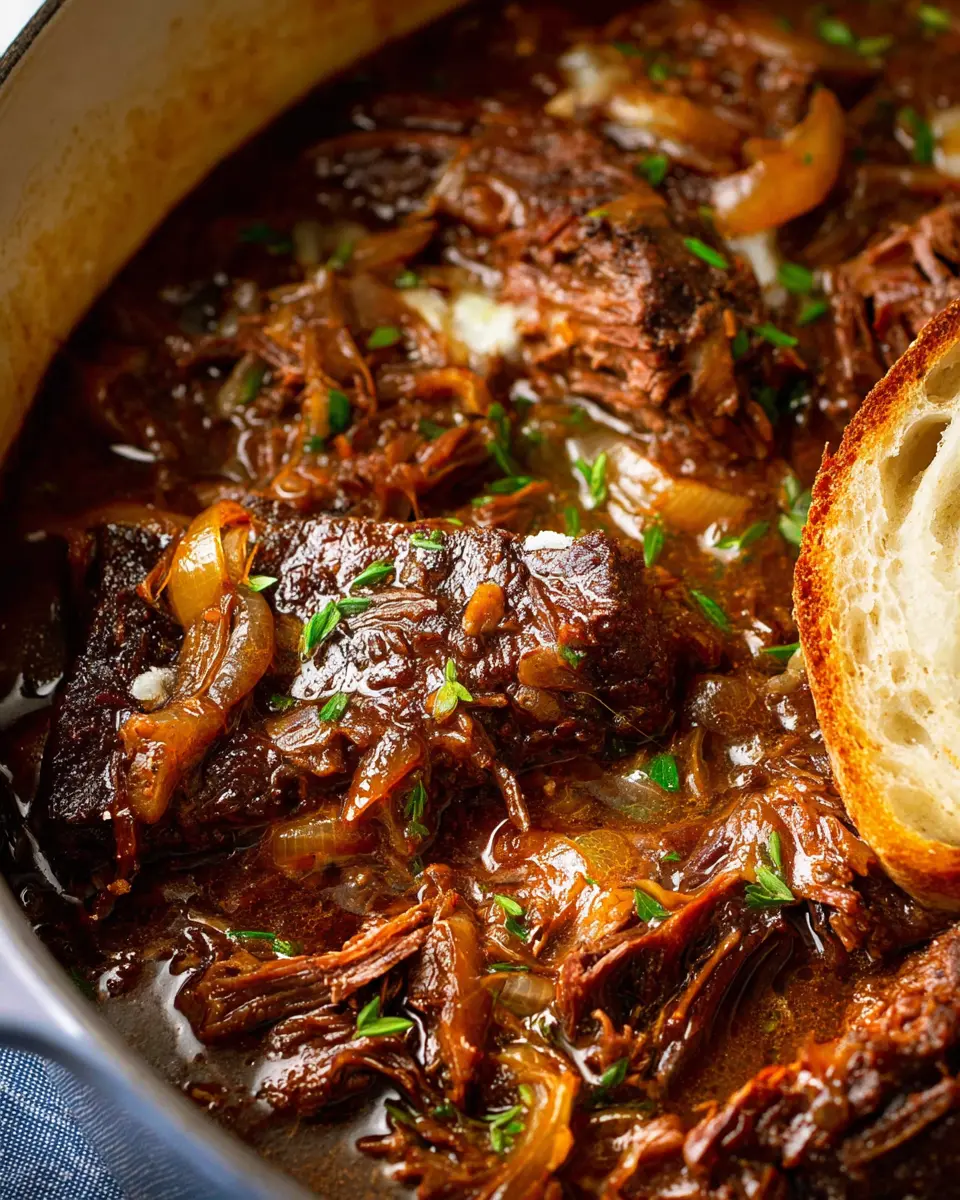
Yellow vs. Sweet Onions: Crafting Your Perfect French Onion Pot Roast Gravy
The aroma of a slow-cooked pot roast mingling with the deep, savory scent of caramelized onions is the very essence of comfort food. When these two culinary titans merge, you get the magnificent
French onion pot roast – a dish where tender, fall-apart beef is bathed in a rich, silken gravy, reminiscent of its iconic soup namesake. But what truly defines this gravy, elevating it from merely good to absolutely unforgettable? The answer, surprisingly, often lies in a subtle yet significant choice: the type of onion you use.
The debate between yellow and sweet onions for this quintessential dish is more than just a matter of preference; it's a strategic decision that shapes the entire flavor profile of your gravy. Do you lean towards a robust, profoundly savory experience, or a mellow, slightly sweeter blend that perfectly complements the succulent beef? Let's peel back the layers and explore how each onion contender can transform your ultimate
french onion pot roast.
The Heart of the Gravy: Why Onions Matter in French Onion Pot Roast
At the core of any incredible
french onion pot roast gravy are, naturally, the onions. Unlike many dishes where onions merely provide an aromatic backdrop, here, they are the star. They don't just add flavor; they become the gravy. Through a process of slow caramelization, their complex sugars break down, transforming from pungent and sharp to deeply sweet and umami-rich. This transformation is crucial, providing the backbone for the rich, savory liquid that permeates the beef and begs to be soaked up by mashed potatoes or crusty bread.
The choice of onion directly impacts how this caramelization unfolds and what final flavor notes will sing in your gravy. It's about balancing sweetness, savoriness, and that distinct, almost earthy depth that defines a classic French onion flavor profile. Understanding the nuances of yellow versus sweet onions empowers you to tailor your
french onion pot roast gravy to your exact culinary vision.
Yellow Onions: The Traditionalist's Choice for Savory Depth
For many purists, the yellow onion is the undisputed champion for a classic
french onion pot roast. These ubiquitous kitchen staples boast a higher sulfur content than their sweeter counterparts, which translates to a more pungent, sharper flavor when raw. However, this very characteristic is precisely why they excel in long-cooked dishes. As yellow onions slowly caramelize over time, that initial sharpness mellows and transforms into an extraordinary depth of savory flavor, often described as complex, robust, and profoundly umami.
Spend with Pennies, a reliable source for home cooks, firmly advocates for yellow onions, specifically cautioning against sweet onions which they suggest "will sweeten the gravy too much." This perspective aligns with the traditional French onion soup profile, which prioritizes a rich, deeply savory broth with a subtle sweetness emerging from the extended caramelization, rather than an inherent sweetness from the onion itself.
When choosing yellow onions for your pot roast, look for firm, unblemished bulbs. To achieve that signature deep flavor:
- Slow and Low: Don't rush the caramelization process. Yellow onions thrive on extended, gentle heat. This allows their sugars to truly develop without burning.
- Thin Slicing: Uniform, thin slices ensure even cooking and help the onions "melt" into the gravy.
- Deglaze with Wine: After caramelizing, deglazing the pan with a dry white wine (like Sauvignon Blanc or Pinot Grigio) is critical. It lifts all those incredible brown bits (fond) from the bottom of the skillet, infusing them directly into your gravy base, adding another layer of complex flavor that beautifully complements the yellow onion's robust profile. If you prefer to avoid alcohol, extra beef broth works well too.
The result of using yellow onions is a gravy that is profoundly savory, with a deep, almost malty sweetness that emerges subtly, letting the rich beef and other aromatics shine through.
Sweet Onions: Embracing a Milder, Mellower Gravy
On the other side of the onion debate, we find the sweet onion, often represented by varieties like Vidalia or Walla Walla. These onions are characterized by their naturally higher sugar content and lower sulfur compounds, making them much milder and less pungent even when raw. For those who prefer a less aggressive onion flavor or a gravy with a more pronounced natural sweetness, sweet onions offer a compelling alternative for their
french onion pot roast.
Better Homes & Gardens, in their French Onion Pot Roast recipe, explicitly recommends sweet onions like Vidalia or Walla Walla, stating they provide "the perfect balance of succulent meat and onion flavor." This suggests a culinary philosophy that embraces a slightly sweeter, perhaps more approachable, flavor profile for the dish, allowing the inherent sweetness of the onions to contribute directly to the overall taste of the gravy.
Using sweet onions can lead to a quicker caramelization process due to their higher sugar content, and they will yield a gravy that is inherently sweeter and often less "sharp" or "pithy" than one made with yellow onions.
Consider opting for sweet onions if:
- You prefer a milder onion presence: If you find the robust flavor of yellow onions sometimes overwhelming, sweet onions offer a gentler alternative.
- You want a naturally sweeter gravy: This can be particularly appealing if you're serving the dish to children or those with a preference for slightly sweeter savory dishes.
- You're balancing other strong flavors: If your pot roast includes other intensely savory ingredients or herbs, sweet onions can provide a harmonious counterbalance.
While they caramelize more quickly, still give them sufficient time to soften and achieve that golden-brown hue. The gravy will have a lovely, gentle sweetness that harmonizes beautifully with the rich beef, creating a comforting and incredibly flavorful meal.
Beyond the Onion: Crafting the Ultimate French Onion Pot Roast Experience
While the choice of onion is paramount, it's just one piece of the puzzle in creating an extraordinary
french onion pot roast. Every element, from the cut of beef to the cooking method, plays a vital role in achieving that coveted tender meat and luscious gravy.
The Perfect Cut: Chuck Roast for Tenderness
The best meat for a slow-cooked pot roast is undeniably
chuck roast. Its marbling and connective tissues break down beautifully over long cooking, resulting in incredibly tender, fall-apart beef. Other good options include round roast or rump roast, but always avoid very lean cuts, as they tend to dry out. To master the art of achieving that melt-in-your-mouth texture, explore
Mastering Slow Cooker French Onion Pot Roast for Tender Beef.
Slow Cooker Wisdom: Low and Slow is Key
Whether you choose yellow or sweet onions, the cooking method remains consistent: low and slow. While a classic oven pot roast is delicious, the slow cooker offers unparalleled convenience, making it a perfect "set-it-and-forget-it" option. Cooking on a low setting for an extended period ensures the chuck roast becomes incredibly tender, allowing all those rich flavors to meld beautifully. High heat settings, as testing has shown, simply don't yield the same melt-in-your-mouth results. For a complete guide to hands-off cooking, check out
Easy French Onion Pot Roast: Set-It-and-Forget-It Dinner Guide.
Building Flavor: Searing, Stock, and Wine
- Searing: Always pat your roast dry and sear it aggressively on all sides before slow cooking. This crucial step develops a deep, caramelized crust, adding incredible savory depth (Maillard reaction) that translates directly into your gravy.
- Beef Stock or Broth: Beef stock generally creates a richer, more gelatinous gravy, while broth is a good alternative. Opt for low-sodium versions if you prefer to control the salt content, and consider adding a beef bouillon cube for an extra punch of umami.
- Dry White Wine: As mentioned, wine adds a layer of complexity and helps deglaze the pan after searing and caramelizing onions. If you're skipping the wine, ensure you use extra broth to scrape up all those flavorful brown bits.
- Aromatics and Herbs: Don't forget garlic, and consider adding a bouquet garni (a small bundle of fresh parsley, thyme, and/or rosemary) for a fragrant, earthy note. Sautéed mushrooms with the onions can also add a delightful savory twist.
Finishing Touches: Gravy Thickening and Serving
Once your roast is fall-apart tender, remove it from the slow cooker and let it rest. The onions will likely have disintegrated into the cooking liquid, creating a wonderfully flavorful base. To thicken your gravy, skim off any excess fat, then transfer the liquid to a saucepan. You can create a slurry of cornstarch or flour and water, whisk it in, and simmer until it reaches your desired consistency. Taste and adjust seasonings – it might need a touch more salt, pepper, or a splash of Worcestershire sauce for extra depth.
Serve your magnificent
french onion pot roast over creamy mashed potatoes, hearty egg noodles, or fluffy rice, ensuring plenty of that glorious gravy coats every bite. Don't forget the classic accompaniment of cheesy toasts, inspired by French onion soup, to complete this special yet easy dinner.
Conclusion
Whether you ultimately choose the robust depth of yellow onions or the milder, sweeter charm of sweet onions for your
french onion pot roast, the journey to a truly spectacular meal is an incredibly rewarding one. Both options, when properly caramelized and integrated into a slow-cooked dish with quality chuck roast and rich beef stock, will yield a gravy that is nothing short of extraordinary. The beauty of cooking lies in experimentation and personal preference. So, next time you're craving this ultimate comfort food mashup, consider which onion truly aligns with your palate, and embark on crafting your perfect pot roast gravy. Happy cooking!